
AI / AI agents / Product
From project chat to a useful scheduled AI routine
Use Leera AI chat for a focused question, then configure an agent for work worth repeating. Define the objective, tools, schedule, and review process.
At a glance
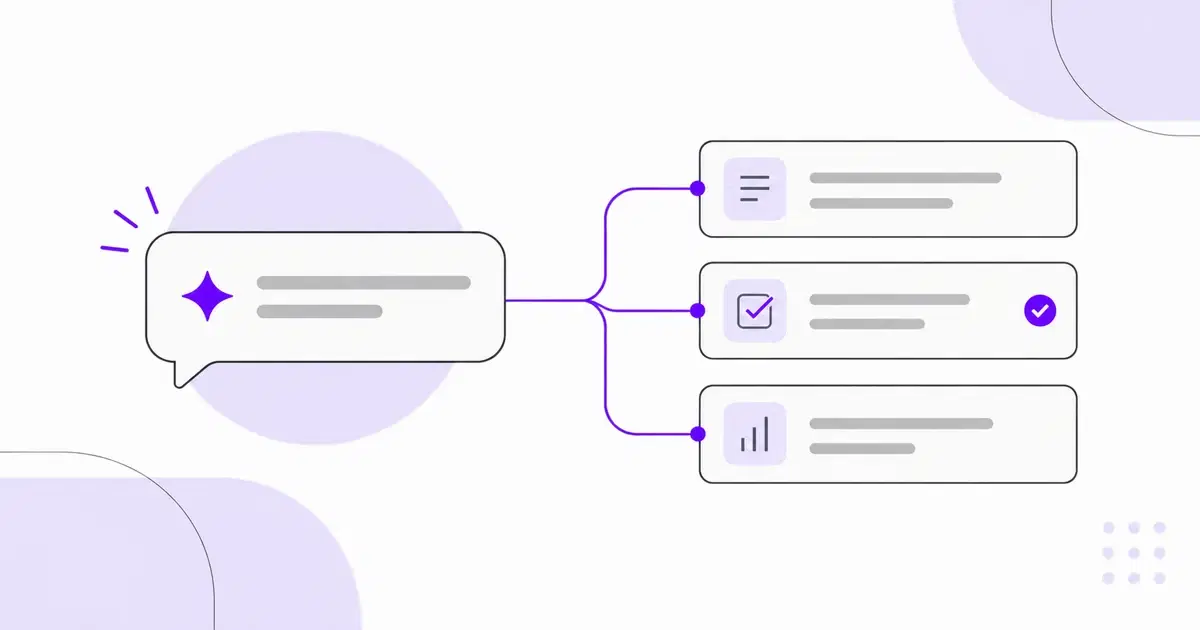
Chat and scheduled agents serve different needs. Explore a project question in chat, then configure a narrow recurring assignment with an objective, available tools, model, and schedule. Inspect the execution and resulting records before depending on the routine.
Some project questions are worth asking repeatedly: which sprint issues are blocked, which upcoming tasks lack acceptance criteria, or what changed since the last update. An assistant can help gather those facts, but a recurring workflow needs an explicit assignment and a way to verify its output.
Leera AI chat is an interactive conversation. Scheduled AI Agents are a separate workflow that runs a configured objective when it is due. A chat conversation does not automatically become continuous project monitoring.
First make the question useful
Start with a familiar project and a question you can evaluate. Name the sprint or period and ask for relevant issue references. “List unassigned issues in the active sprint and show their current status” is easier to check than “Tell me whether this project is healthy.”
In chat, select the project and use mentions when a particular issue or teammate matters. Review the answer against the underlying records. Ask the assistant to identify missing information instead of filling gaps with an invented explanation.
Turn a working question into a recurring assignment
Once the task works, configure an agent with an objective, supported tools, model, and schedule. State what the result should contain and who will review it. Set the time and timezone deliberately.
A useful initial assignment could review upcoming issues for missing acceptance criteria and group the findings by project owner. This is an example to configure and test, not a background service that is enabled automatically for every workspace.
Start with one responsibility. A combined instruction to rewrite the backlog, reschedule the sprint, and communicate with stakeholders makes it harder to evaluate which parts are behaving correctly.
Understand where changes happen
Some Leera AI surfaces produce reviewable suggestions: subtask suggestions are selected before creation, comment assistance inserts a draft before posting, and inline writing actions let the person review the replacement.
Chat and agents can also use enabled tools that create or update records directly. Review the available tools and resulting changes for the workflow you configure. A confirmation step in a writing interface does not imply that every agent action waits for the same interaction.
Inspect the routine after it runs
Run the agent manually on familiar data before relying on the schedule. Read the execution status and messages, compare findings with actual issues, and inspect any saved changes. Refine the objective if the output is too broad or misses relevant work.
Keep a named owner for the assignment and deactivate it when the work no longer matters. Compare the time spent reviewing the output with the time the original task required; useful automation should help complete the whole job.
AI functionality requires an available provider and enabled model, and costs or allowances depend on the deployment and offering. Review current options and the practical AI project management guide before expanding the workflow.