
Every client. Every detail.
A clearer way to deliver.
Give each engagement a clear brief, a visible delivery plan, and a considered handoff. Leera brings project work, client context, team updates, and quality evidence together, helping account leads and delivery teams stay aligned as requests and priorities change.
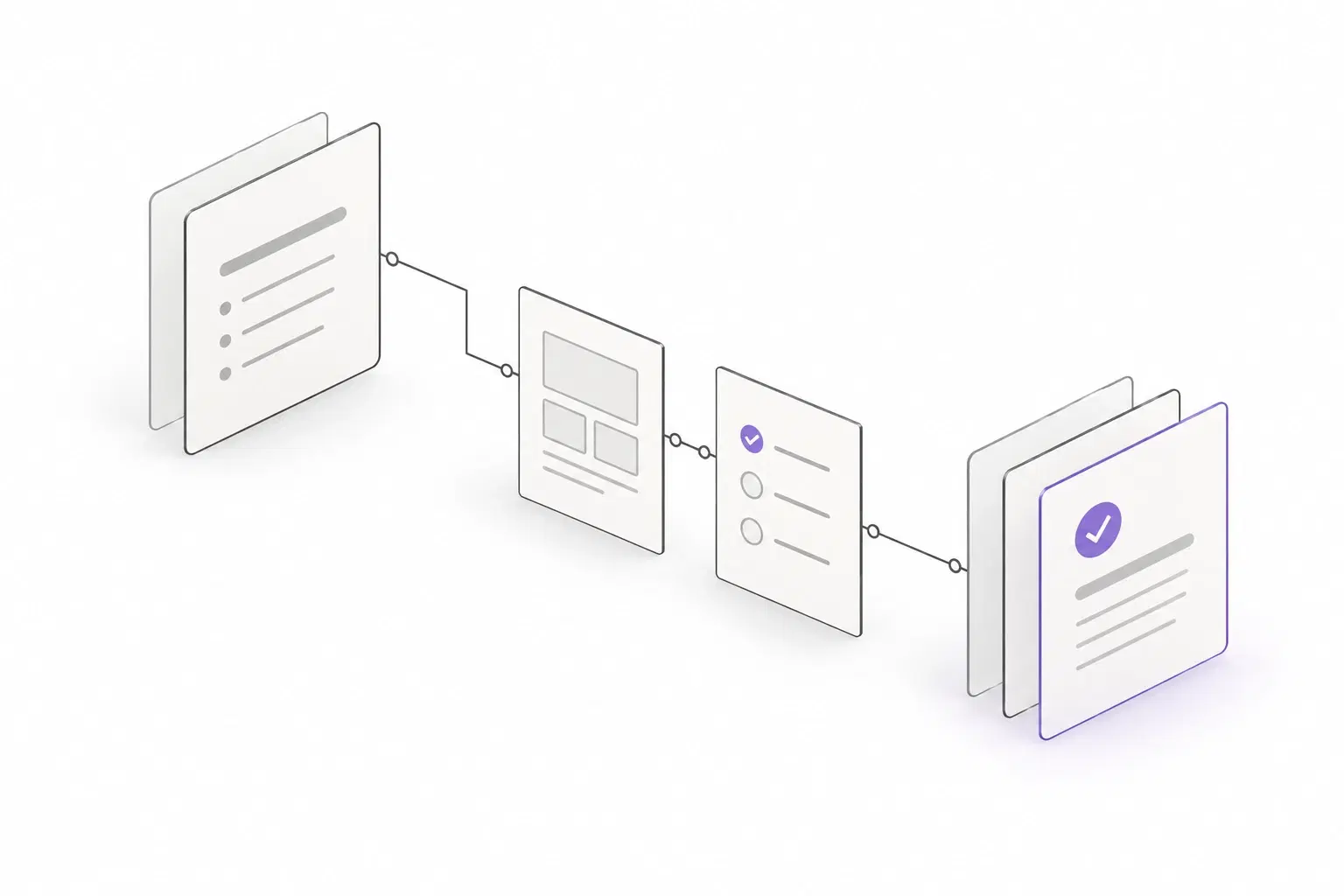
Every client. A clear delivery plan.
A brief everyone understands
Keep agreed scope, acceptance criteria, and project decisions close to the people responsible for delivering them.
Changes with a clear home
Bring new requests into the project, make the delivery impact visible, and decide what enters the plan.
A handoff with substance
Bring completed work, verification evidence, and the final documentation together for the client’s next step.
Get the brief right.
Give the work its space.
Start an engagement with its own project context. Make deliverables and responsibilities explicit so account leads, designers, engineers, and collaborators work toward the same result.
Explore DocumentsScope people can return to
Keep the brief, deliverables, assumptions, and acceptance criteria in Documents. Save versions at agreed checkpoints so a later scope discussion has a concrete starting point.
A delivery plan with ownership
Break the engagement into epics and issues. Assign owners, set priorities, and use the roadmap to discuss the sequence of work against the intended dates.
The right people in the project
Configure project roles and permission groups for staff, contractors, and client collaborators. Use document permissions to choose who can view or edit the supporting pages.
Another request.
A clearer next step.
Client work changes as people see the product take shape. Bring requests into a visible queue, keep discussion attached to the work, and make the effect on the existing plan easier to assess.
Explore PlannerRequests that reach the team
Use supported email or widget integrations to route incoming requests into the right project. Give triage an owner who can clarify the need and set the next action.
Scope changes you can discuss
Record the change as an issue with context and priority. Review estimates, relationships, and dates before adding it to the current delivery commitment.
Progress across disciplines
Group the board by owner or status and gather async updates from the delivery team. Use the combined report to identify handoffs and questions needing the account lead’s attention.
Show what is ready.
Leave useful context behind.
Prepare the handoff throughout the project. Keep acceptance checks tied to deliverables, build a progress report around the client’s questions, and leave documentation that supports the people taking over.
Explore Reports & ChartsAcceptance with evidence
Create a test plan for the agreed deliverables. Record results and supporting evidence, link any defects, and review outstanding checks before the client acceptance conversation.
A client update worth reading
Prepare a focused report on completed work, remaining items, and decisions needed. Refine the narrative and export it in a format that fits the client’s review.
Documentation for what comes next
Organize operating notes and handoff guides with the project. Share selected documents with the intended audience, or publish a read-only page when it is suitable for public access.
Turn project detail
into a useful update.
Start a client report with a focused brief, clarify a change request, or summarize a long issue discussion. Review the draft, add the account context, and make the next decision clear.
Explore AI for your workAvailable with a configured AI provider.
Draft a client update for the website project: progress, open items, and decisions needed.
A clear structure for the review
Lead with completed deliverables, then explain work still underway. Bring unresolved questions into a short decisions section with the owner and the context needed to respond.
- Review project details
- Refine the client narrative
- Export the report
The details your
team depends on.
Around every milestone, there is everyday work. Give it a place, too.
Projects per engagement
Give each client’s delivery work its own plan, owners, and supporting project context.
Briefs and saved decisions
Keep scope, assumptions, and important document checkpoints ready for the next client conversation.
Request intake
Connect supported email and widget submissions to the project that will handle them.
Async delivery check-ins
Collect progress and blockers from account leads and contributors in their own time.
QA before acceptance
Bring a test plan, results, and unresolved defects to the handoff review.
Reports ready to share
Edit a focused project update and export it as Markdown, HTML, or Word.
For agencies
Good questions. Clear answers.
Can clients and contractors access selected project work?+
Use project roles and permission groups to configure collaborator access, and document permissions to choose page viewers and editors. Check the resulting experience with a representative collaborator account before inviting people into the engagement.
How do client requests become planned work?+
Supported email and widget integrations route requests into a project. Assign someone to triage, clarify the request, and review its priority and impact. Accepted work can then be assigned and included in the delivery plan.
Can we prepare client reports and handoff documentation?+
Yes. Generate and edit reports around a project scope and period, then export them as Markdown, HTML, or Word. Documents holds briefs and handoff guides with its own sharing controls, saved versions, and optional public read-only publishing.
Does Leera handle agency time billing and invoices?+
Worklogs have API support, but web worklog entry and invoicing are not currently available. Keep rates, contract terms, taxes, and invoice generation in your billing system. Leera’s delivery reports help explain the project work and its progress.

Bring every engagement
into clearer focus.
Give your clients a considered delivery experience and your team a shared place to keep the work moving.