
Two founders.
One shared picture.
Keep the decisions, ownership, and release checks in view while both of you build. Connect a short brief to the issues, leave useful handoffs, and bring AI into the work with access you choose. Review the evidence together before the next release.
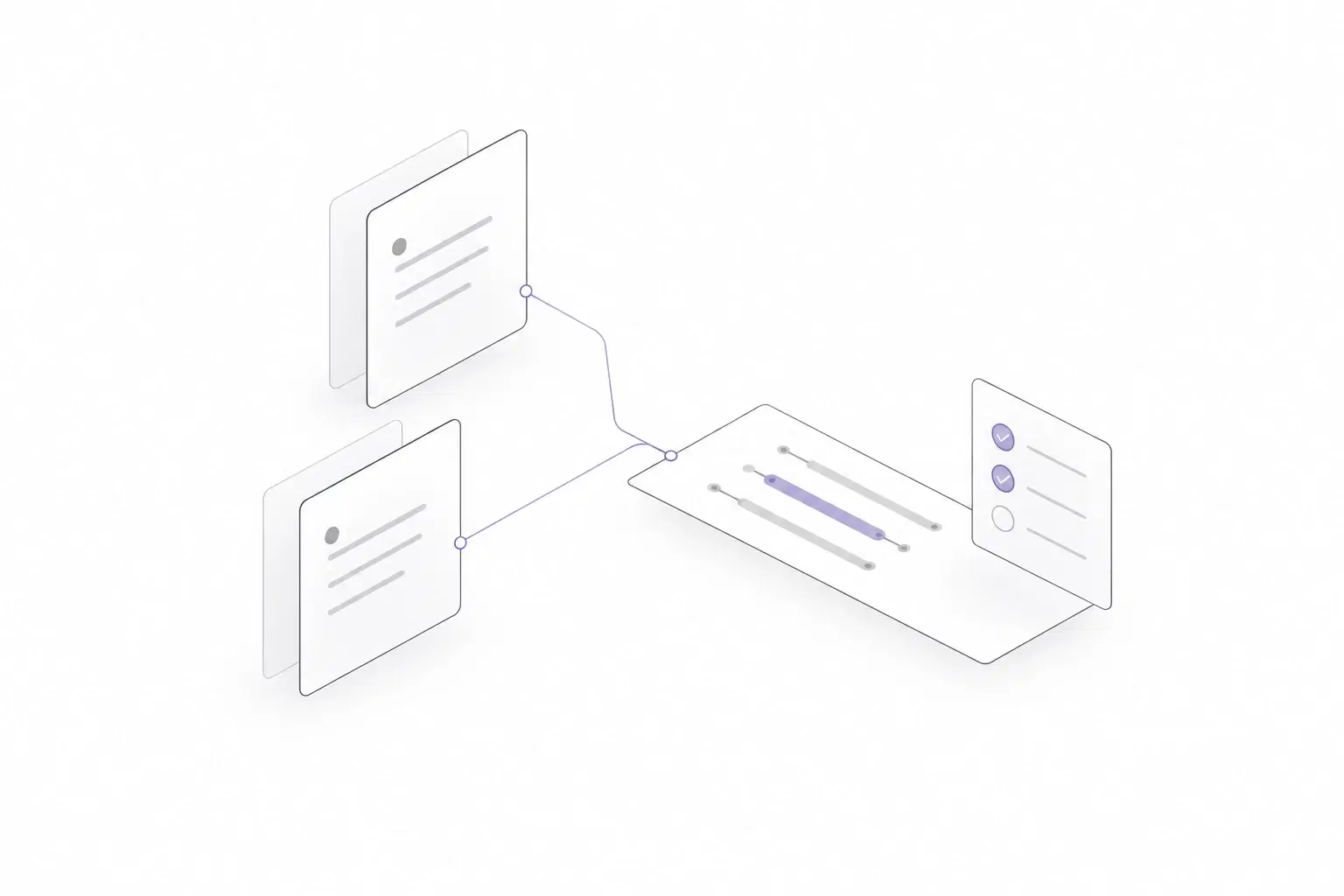
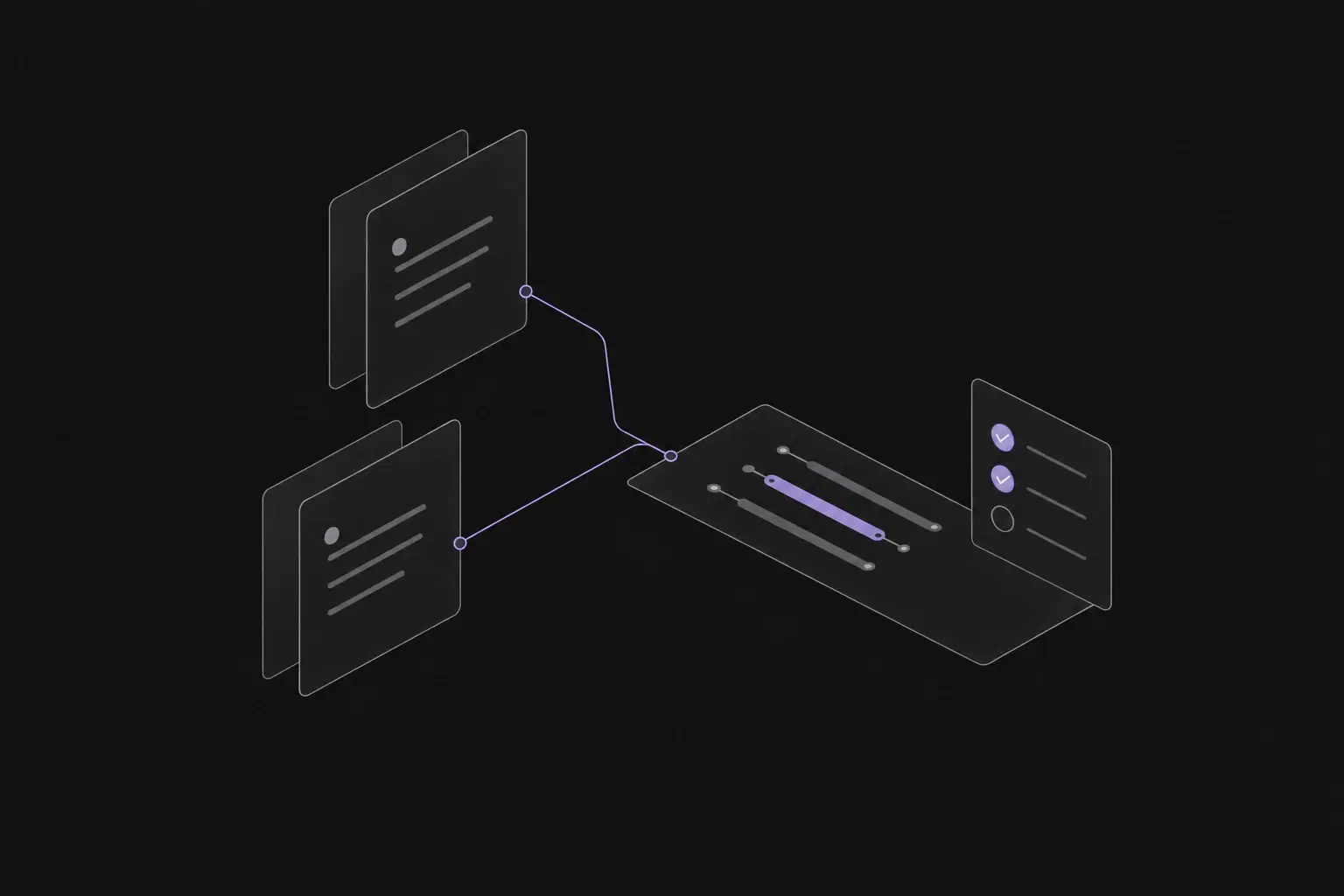
Planner preview · Sample projectExplore Planner
Know what you agreed to build
Keep a short product brief and a focused next scope, with open decisions visible to both founders.
Make ownership clear
Give issues an owner and leave the context the other person needs when work crosses between you.
Review the release together
Put test results, remaining defects, and the release decision beside the work you are shipping.
One conversation.
A plan you both understand.
Capture what you are building and why before you split the work. Keep the first plan short enough to discuss and specific enough to turn into issues with clear outcomes.
Explore PlannerWrite a shared brief
Record the customer problem, the next release goal, and the choices you have made. Leave unresolved questions in the document so neither person has to guess.
Choose a focused scope
Create issues for the next useful version. Set priorities and acceptance criteria, and keep later ideas in the backlog while you finish the current work.
Name the owner
Assign each issue to the person taking it forward. Use child issues and relationships when a change needs contributions or prerequisite work from both founders.
Work in parallel.
Leave a useful handoff.
You will move between product decisions, implementation, and customer questions. Put progress and context on the issue so the other founder can understand what moved and what needs a decision.
Explore MCP ServerKeep the update with the issue
Use comments for progress, blockers, and the next action. Include the relevant document or code-review link when it helps the other person pick up the thread.
Give AI a bounded task
Use Leera AI for project questions and draft breakdowns. Connect a compatible external AI client over MCP when it needs to read or update issues and documents within granted access.
Keep responsibility with a person
Review changes made by enabled AI tools. MCP actions use the person behind the connection, so choose scopes deliberately and leave the issue owner responsible for checking the result.
Agree what ready means.
Check before you ship.
Start with the important customer paths and the behavior changed by this release. Keep the procedures, results, and unresolved issues together so the decision is based on what you checked.
Explore QA & TestingTurn the promise into coverage
Link test cases to the implementation issues. Put the checks for this release in a plan, including regression coverage for paths the change could affect.
Keep failures actionable
Record the environment, outcome, notes, and evidence. Use a linked defect to follow a failed check through the fix and a new result.
Record the decision together
Review passed, failed, blocked, and skipped coverage with remaining work. Keep a short release note describing the scope, accepted risks, and follow-up tasks.
Turn the shared goal
into work you can divide.
Ask Leera AI to suggest a breakdown of the next change, then review the boundaries and choose owners yourselves. Keep assumptions and test ideas visible before either founder starts building.
Explore AI for your workAvailable with a configured AI provider.
Break our workspace invitation feature into implementation and verification tasks.
A draft scope to discuss together
Separate sending an invitation, accepting it, and handling expired links. Agree on the intended roles and messages, then add checks for repeated use and an invalid link. Choose owners after reviewing the dependencies.
- Agree on the behavior
- Choose issue owners
- Keep the checks with the work
The details your
team depends on.
Around every milestone, there is everyday work. Give it a place, too.
A shared product brief
Keep the customer problem, scope, and decisions in a document you can both return to.
Visible ownership
Assign issues, connect related work, and keep the next action clear when responsibilities shift.
One active plan
Use a board or sprint to follow the work you have chosen for the next release.
AI with a defined scope
Give compatible external AI tools the MCP permissions and project access their tasks need.
Release evidence
Keep cases, run results, and linked defects beside the implementation you are reviewing.
A readable progress update
Use project reports to review completed work, blockers, and the decisions still ahead.
For two-founder teams
Good questions. Clear answers.
Do two founders need a full sprint process?+
No. A short brief, a board, and issues with owners can be enough to begin. Use sprints when a shared time-boxed goal helps. Add structure when it makes a decision or handoff clearer, and review current plans for the modules you need.
How do we keep work clear when both of us use AI?+
Keep a person responsible for each issue and its acceptance criteria. Leera AI can help with project work, while compatible external clients use MCP scopes and permissions. AI tool actions can change records directly, so review the changes. MCP actions use the identity of the person who authorized the connection, not a separate agent teammate.
Can we review the same release from one workspace?+
Yes. Link cases to the implementation issues, select the coverage in a plan, and review the run results, evidence, and defects together. A finished issue does not replace a test result. Record the release decision and follow-up work after reviewing the remaining coverage.
Are startup credits or self-hosting available?+
Leera has a startup credits program with eligibility and application details, plus cloud and self-hosted deployment options. Review the current pricing, program terms, and deployment guide for your setup. Provider usage and infrastructure costs depend on the arrangement you choose.

Build the next chapter.
Keep each other in the picture.
Give the decisions, the work, and the release evidence one shared home.