Multiple providersYour own keysA familiar workspace
LLeera workspace
Leera AIPlannerQADocuments
Search⌘ KJD
Settings
AI
Choose the providers and models that power assistant features across your instance.
Model providers
Providers are tried in priority order. Additional providers can respond when the primary is unavailable.
Team AIopenai
https://api.openai.com/v1
primary-model, fast-model
Priority 20 · API key configured
Team fallbackanthropic
https://api.anthropic.com/v1
fallback-model
Priority 10 · API key configured
Interactive example · Sample providers, model IDs, and connection results.
Good tools leave room for your decisions
The work stays connected. The intelligence is your choice.
Your team already has a way of working. Your AI setup should fit it. Choose a provider, bring the models you want to use, and keep the conversation connected to your projects.
Choose what powers the work.
Use a supported provider and the models available to your account. Model IDs and endpoints stay configurable.
Bring the relationship you have.
Connect with your own provider credentials and keep provider usage tied to your existing account.
Keep room to change your mind.
Add another provider, test its connection, and keep a working configuration available as your needs change.
One workspace. More possibility.
A different model. The same place for work.
Bring a model into the context your team already shares: issues, plans, documents, and conversations. Evaluate it against the work you actually do.
Native connections for OpenAI, Anthropic, Gemini, and Vertex AI. Flexible base URLs for compatible services. The choice begins in your instance settings.
01
OpenAI
+ compatible endpoints
Use OpenAI, or point the base URL to a service that supports the same API format.
02
Anthropic
Native Messages API
Connect Claude models through Leera’s native Anthropic provider configuration.
03
Google Gemini
API key connection
Connect using a Gemini API key from Google AI Studio, with editable model IDs.
04
Google Vertex AI
Service account access
Use the Google service account configured on your instance to connect through Vertex AI.
Have a different endpoint in mind?
Use the OpenAI-compatible provider path with your service’s base URL and model IDs. Check tool use, structured output, and response behavior with a representative task.
A connection that answers is the starting point. A model that handles your team’s work well is the goal.
01
Make the connection yours.
As an instance administrator, choose a provider, name the connection, and set its base URL. Add your API key or use the configured Vertex service account.
Provider · Endpoint · Credentials
02
Give it something to answer.
Add the model IDs you want to use, then run the connection test. Inspect the reply and response time before moving into a real workflow.
Models · Test reply · Latency
03
Try it with your actual work.
Ask a project question or run a representative task. Check the answer, tool behavior, and provider usage. Keep a working provider available as a fallback.
Quality · Reliability · Usage
A little flexibility goes a long way
Give your setup another way forward.
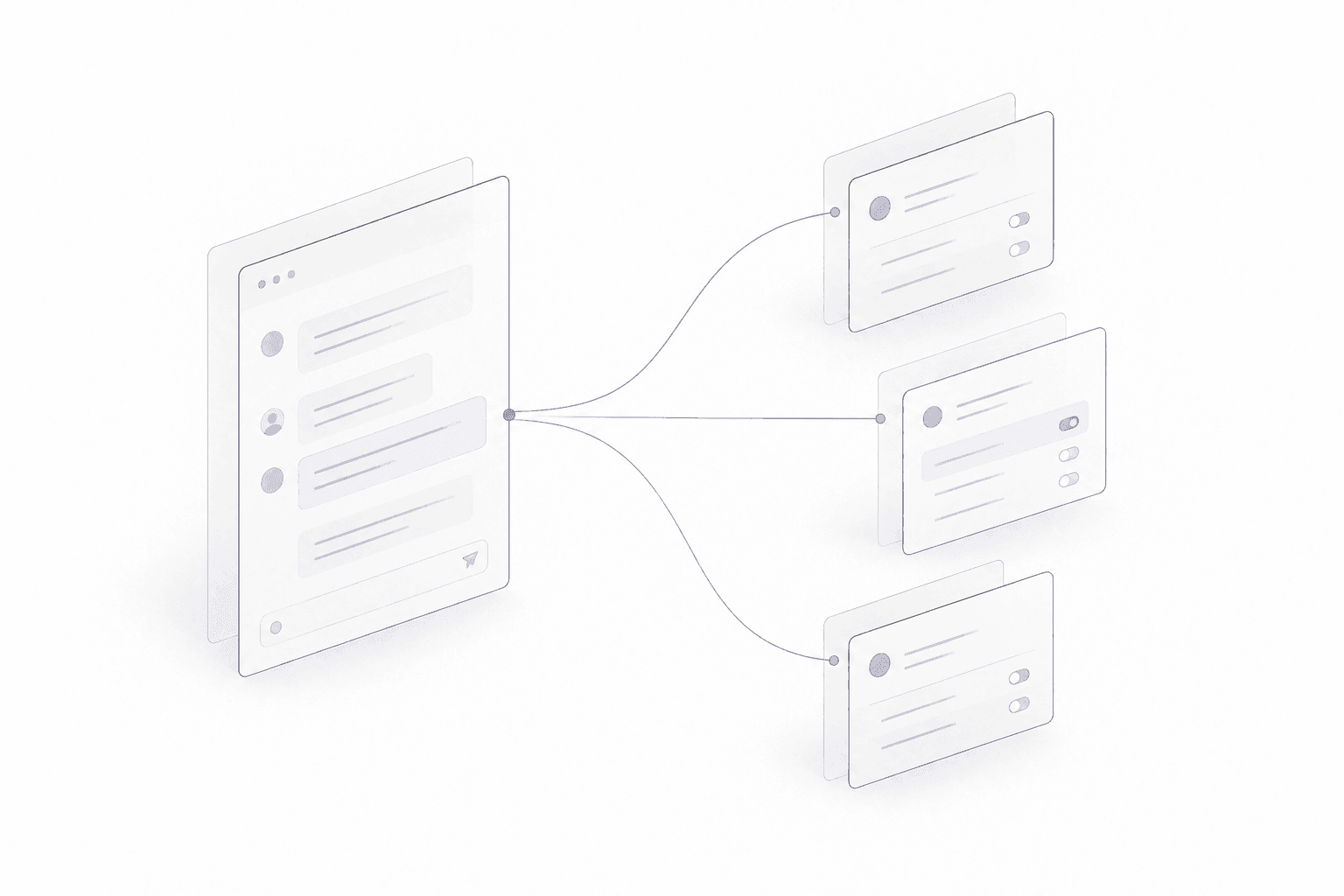
Configure more than one provider. Leera checks enabled providers in priority order to find a model that fits the request, with usable credentials.
Test each connection, enable the ones you need, and disable the ones you’re still evaluating.
Let Leera host the workspace. AI access and usage follow your Cloud plan and its credit arrangements. Choose the plan that fits the way your team works.
Instance settings include OpenAI and OpenAI-compatible endpoints, Anthropic, Google Gemini with an API key, and Google Vertex AI with a configured service account. Model names and base URLs are editable. Available model features depend on the selected provider and endpoint.
Who can change the provider configuration?+
The AI provider controls shown here are in the self-hosted edition’s Instance Settings. An instance administrator manages them, and the configuration applies across the workspaces on that instance. Review the AI arrangements for your plan if you use Leera Cloud.
Do we have to use the preset model names?+
No. Presets are starting points. Enter the model IDs available to your provider account, add at least one model, and test the connection. Model capabilities determine whether the workflow’s tools and structured output work as expected.
Is every OpenAI-compatible endpoint interchangeable?+
No. Compatibility with an API format does not guarantee the same model features, tool behavior, or response quality. Test the endpoint against the specific Leera workflow you intend to use.
Does self-hosting keep every AI request on our server?+
Self-hosting controls where the application runs. Model requests go to the provider endpoint you configure, which may be external. Review the endpoint, network path, and provider terms as part of your deployment decisions.
How are our provider keys handled?+
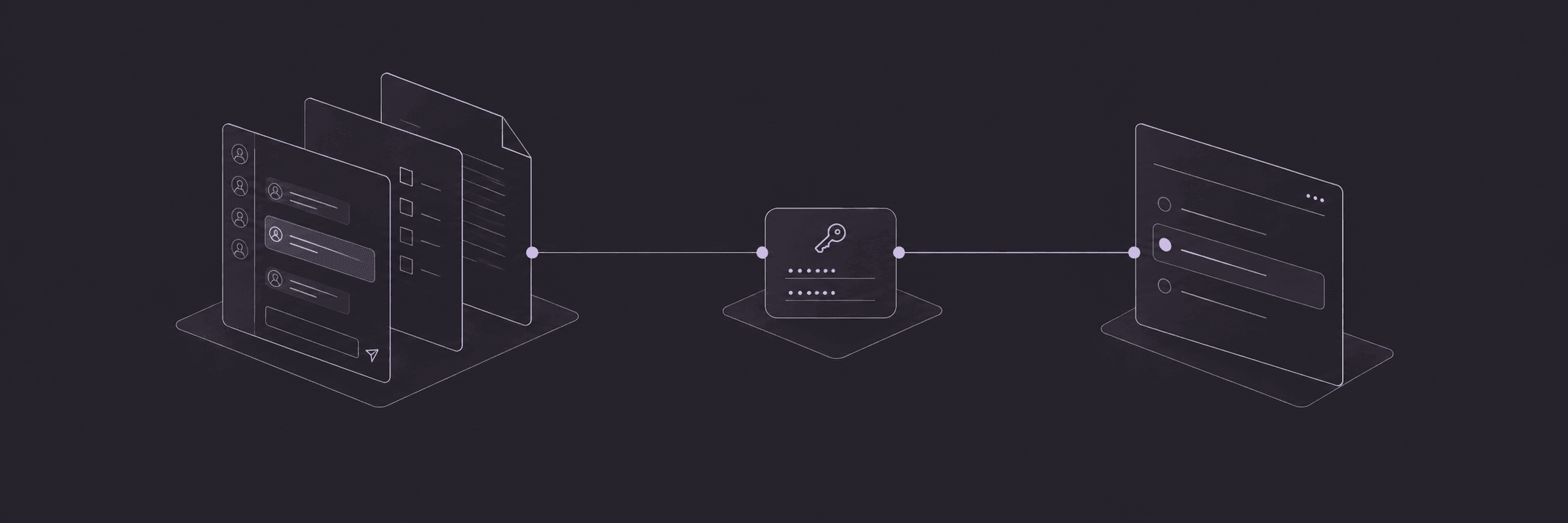
Provider API keys are stored encrypted and are not returned to the interface after saving. Vertex AI uses the Google service account configured on the deployment. The interactive example on this page uses a fixed demo credential and never contacts a provider.
Can we keep more than one provider configured?+
Yes. Configure multiple providers and enable the ones you want to use. Leera checks them in priority order for a model that matches the request and has usable credentials. A newly added provider receives the highest priority. Test each connection with the models you intend to use.
Where is AI usage billed?+
When your self-hosted instance uses your own provider keys, model usage follows the pricing and account arrangements with that provider. Leera Cloud has its own plan and AI credit arrangements. Review both the deployment plan and the provider account when deciding on your setup.
Bring Your Own Model
Make room for your work. And your choice of AI.
Bring the providers you choose to the workspace your team shares.