
LE-128Connect GitHub pull requests to issues
leera PlannerBuilt for the way work moves.Keep the plan close.
Keep the plan close.
And the work moving.
Agile at heart. Flexible in practice. Connect the roadmap, the backlog,
and every issue in between—with a workflow that belongs to your team.
THE WORKSPACE, IN FOCUS
One project. Every perspective. The same work, from the big picture to the smallest detail.
01 / BoardThe same work.
The same work.
A clearer way to see it.
Follow the flow on a kanban board or scan a compact list. Change the grouping to answer a different question: what’s blocked, who’s carrying it, or what should move next.
Leera App / Board 9
To Do3
LE-132Document the workspace onboarding flow
LE-135Add saved filters to the issue list
In Progress2
LE-124Build the sprint planning experience
LE-126Fix notification preferences on mobile
Code Review2
LE-123Add role-based access to project settings
LE-127Speed up board rendering for large sprints
Done2
LE-118Launch the project activity feed
LE-121Support keyboard shortcuts on the board
9 issues · Grouped by statusInteractive example · Sample project
01
Board or list. Your call.
Use columns to follow movement through the project, or switch to a list when you need a denser view. Both work from the same issues.
02
Four ways to group.
Group by status, assignee, issue type, or priority. See the handoff, the owner, the kind of work, or the urgency without rebuilding the plan.
03
The sprint you need.
Choose an active, upcoming, or completed sprint. Keep the board focused on a commitment, or look back at how earlier work finished.
04
Focus without losing context.
Search the board, jump to My Issues, and combine priority, type, and assignee filters. Clear them when it is time to see the whole team again.
05
Move work in place.
Drag between groups to update the relevant status, owner, type, or priority. Status changes are checked against the workflow attached to the issue type.
06
Details within reach.
Change type, assignee, priority, or due date on the card. See the issue key and points, then open the full issue whenever the conversation needs more room.
View, grouping, sorting, and project filter preferences help you return to a useful perspective.
02 / RoadmapKeep today’s work
Keep today’s work
connected to what’s next.
An epic is more useful when you can see the work beneath it. Place parent issues and their children on one timeline, then make the schedule reflect how the project is actually unfolding.
Issues
LE-120
Make onboarding feel effortless
MA
LE-121
Simplify workspace setup
MA
LE-122
Build the welcome checklist
AL
LE-125
Keep setup progress on refresh
MA
LE-110
Give every project a clear starting point
SA
LE-111
Create the first project template
SA
LE-112
Add the workspace welcome screen
AL
Aug
31
1
2
3
4
5
6
Sep
7
8
9
10
11
12
13
Sep
14
15
16
17
18
19
20
Sep
21
22
23
24
25
26
27
Sep
28
29
30
1
2
3
4
Oct
5
6
7
8
9
10
11
Collapse an epic. Open an issue. Adjust its dates.Interactive preview
01
A hierarchy you can read.
Expand an epic to see its children. Collapse it for the larger picture, with issue counts and progress still close at hand.
02
Dates you can shape.
Move a timeline bar to shift its schedule. Resize either edge to adjust dates, or drag across an empty row to create a date range.
03
Progress with context.
See completed and in-progress work alongside owners and issue types. Open the underlying issue directly from its row.
04
The right time horizon.
Jump to Today, search epics, and focus on active work. Include completed work over the available date ranges when you need the history.
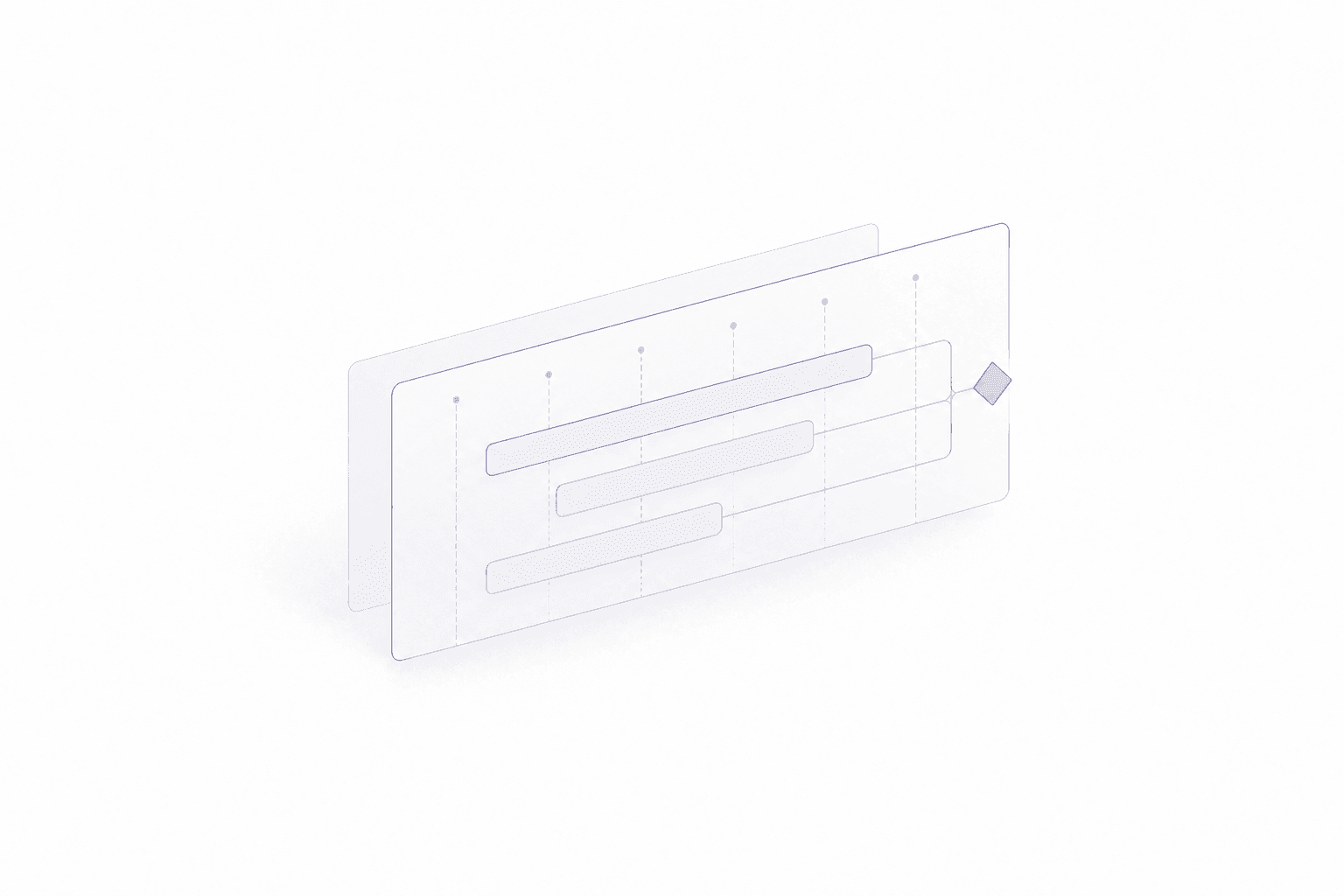
One timeline. Shared understanding.The date is a decision.
The date is a decision.
Keep the work behind it visible.
Roadmaps and sprints answer different questions. Use the timeline for the wider schedule and the sprint for the next commitment. Every view leads back to the issue.
03 / IssuesAgile at the foundation.
Agile at the foundation.
Your language on top.
Start with epics, stories, tasks, bugs, and subtasks. An issue is the unit of work—not a restriction on what your team can do. Custom issue types and their own workflows let the structure reflect your process.
EpicThe larger outcome
Story · Task · BugA clear piece of work
SubtaskA manageable next step
Interactive example · Sample project data
StoryIn progress
Give every new member a clear place to start
A small welcome checklist that helps new members reach their first useful moment in Leera.
What we’re building
Show a three-step checklist after someone joins a workspace. Guide them to complete their profile, explore their team’s project, and create their first issue.
Keep progress between sessions. Members should be able to dismiss the checklist once they know their way around.
Acceptance criteria
- Completed steps remain checked after refresh.
- Each step links to the right place in the workspace.
- The checklist works with a keyboard and screen reader.
- Dismissed checklists stay hidden for that member.
Depends onLE-124Save member onboarding preferencesDone
LE-129Build the checklist componentDoneAM
LE-130Persist progress across sessionsIn progressSC
LE-131Add keyboard and screen reader supportTo doJT
AM
Alex Morgan changed status from To do to In progressToday at 10:18 AM
SC
Sam Chen linked dependency LE-124Today at 10:12 AM
JT
Jordan Taylor added this issue to Sprint 12Yesterday at 3:42 PM
JT
Jordan Taylor created this issueSep 7 at 9:15 AM
LE-128 · In progress · Alex Morgan · 5 story pointsChanges stay in this example.
01
A useful issue is more than a title.
Put the problem, expected outcome, acceptance criteria, files, and references into a rich description. Add an owner, reporter, priority, points, dates, tags, and sprint so the work arrives with context.
02
Flexible types. Meaningful defaults.
The agile types give a new project a starting structure. Your project’s issue types can carry their own name, workflow, and default estimates, so different kinds of work do not have to follow one path.
03
A relationship is part of the plan.
Link work that blocks, depends on, duplicates, or relates to another issue. Break larger work into child tickets and keep their status, priority, and owner visible from the parent.
04
The discussion stays with the decision.
Comment and mention teammates where the work lives. Follow field changes in activity history, share a direct issue or comment link, and return to the reasoning behind the latest status.
A little intelligence. Right where you plan.Big ambition.
Explore leera AI
Big ambition.
Workable next steps.
Ask leera AI for suggested subtasks. Edit the titles, choose the useful pieces, and review what will become part of the parent issue. Use AI Assist in comments when the next reply needs the project’s context.
You choose what becomes work. AI features require a configured provider.
Interactive example · Sample project data
04 / Backlogs & sprintsA place for every possibility.
A place for every possibility.
A plan for the next few weeks.
Keep future work in the backlog. Pull the right issues into a sprint, review the estimates, and give the team a clear commitment. The rest stays visible without getting in the way.
Interactive example · Sample project data
Backlog
7 issues across 2 sprints and your backlogPlan together. Keep the detail in view.
ActiveSep 7 – Sep 2010 points
LE-124Save member onboarding preferencesOnboarding3DoneSep 10SC
LE-128Give every new member a clear place to startOnboarding5In progressSep 18AM
LE-133Keep invitation links valid after sign-inInvitations2In reviewSep 16JT
PlannedSep 21 – Oct 45 points
LE-135Measure the first useful momentOnboarding5To doOct 2SC
Work waiting for its next sprint8 points
LE-136Show the next step after the first issueOnboarding3To doNo dateAM
LE-137Add a workspace invitation reminderInvitations2To doNo dateSC
LE-138Improve the empty project experienceOnboarding3To doNo dateJT
Move a backlog issue into Sprint 13 to shape the next commitment.Changes stay in this example.
01
Refine before you commit.
Search and filter the backlog by priority, type, and assignee. Create issues inline and update their details while the planning discussion is still fresh.
02
Plan in the same workspace.
Create a sprint, give it a name and dates, and move issues between the backlog and sprint. Counts and total story points keep the selected scope visible.
03
Keep the lifecycle explicit.
Start the sprint when the team is ready. Complete or move unfinished issues before closing it; completion does not silently carry open work forward.
04
Tune the details in place.
Edit sprint names and dates, adjust issue owners and priorities, and connect issues to epics. Expand a sprint for the details or collapse it for an overview.
05
Choose the next commitment.
Keep planned work separate from the active sprint. Review upcoming scope and move issues as priorities change, with the backlog always available.
06
Leave room for continuous flow.
Sprints are a planning choice. Teams can work from the kanban board and issue list when a continuous rhythm fits the project better.
- 01
Refine
Clarify the work and estimate the effort.
- 02
Plan
Choose the scope and set sprint dates.
- 03
Start
Make the next commitment visible.
- 04
Complete
Resolve or move open work, then close.
05 / Workflows & issue typesA bug isn’t a story.
A bug isn’t a story.
Its workflow needn’t be, either.
Connect a workflow to an issue type. Give a bug a triage step, a task a review, and a story its own path to completion. The allowed next steps travel with the type of work.
Issue typeEach type can follow its own path.
Task workflow
A direct path for everyday work.
StatusesSelect to explore
Step 2 / Status details
In Progress
Someone is working on it. Finish the task or return it to the queue.
- Category
- In Progress
- Final status
- No
Allowed next transitions2
- Complete task
- Return to queue
01
Workflows belong to types.
Each issue type links to a workflow. New projects start with separate simple flows for the default agile types, giving each kind of work room to evolve.
02
Statuses carry meaning.
Name and order the stages, define the available next transitions, and identify started and completed states. A final status is more than another column label.
03
Transitions guide the next move.
The issue detail offers the next statuses allowed by its type’s workflow. The status engine validates a move and updates started or done state as work progresses.
Flexible structure. Clear boundaries.
Type-linked workflows are supported by the issue engine. The current web workflow and issue-type settings editors are session previews; their edits are not yet saved to the project.
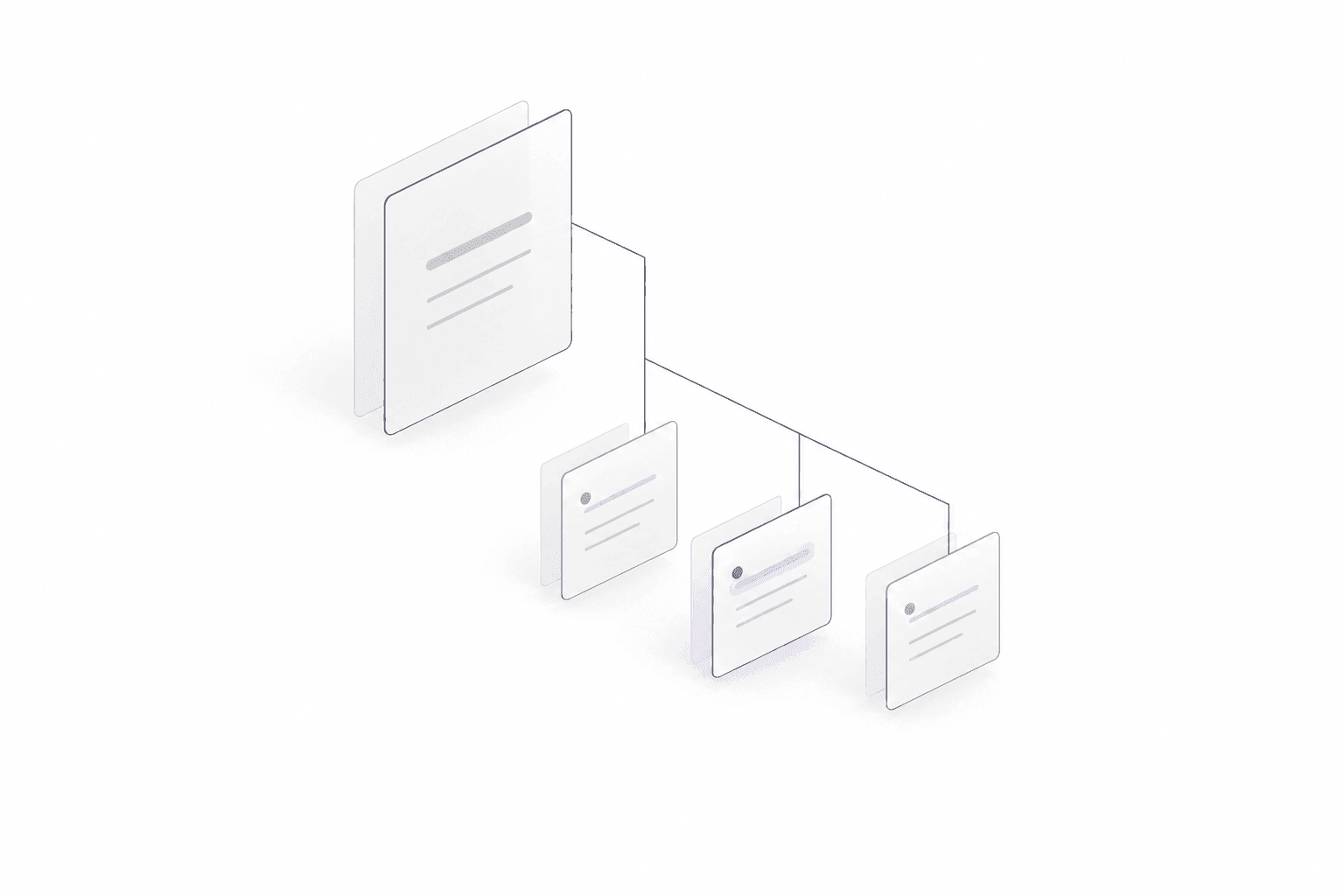
An agile starting point. A flexible system.Keep the method.
Keep the method.
Make room for your needs.
Use the familiar epic, story, and subtask structure when it helps. Model the work around your team’s vocabulary and connect the right workflow to each type, rather than forcing every request through the same stages.
06 / The details, all togetherThe small things
The small things
are part of the big picture.
Planning is also the filters you reach for, the mention that unblocks a decision, and the history that explains a change. Here is what sits around the board and the sprint.
The issue, in detail
- Rich descriptions
- Format a clear brief with headings, lists, links, images, and attachments. Keep requirements and acceptance criteria beside the work.
- Ownership & reporting
- Assign a teammate or leave an issue unassigned. Keep the reporter visible and return to the people behind the work.
- Dates & estimates
- Set start and due dates. Choose a story-point preset or enter your own estimate; update it as the scope becomes clearer.
- Tags & skills
- Add project tags and skill requirements. Tags use shared colors and can also be used on test cases.
- Issue actions
- Copy the issue key, direct link, or a branch name. Duplicate an issue, share it by email, or remove work that no longer belongs.
Find the right work
- Search & filter
- Search issue titles and combine status, priority, assignee, sprint, and issue-type filters. Narrow the set without leaving the list.
- Date-aware views
- Find overdue work, issues due today, this week, or this month, and work without a due date. Filter by creation date, too.
- Your work, quickly
- Use My Issues and the active-sprint shortcut to focus the list. Filter by preset or custom story-point values.
- Inline changes
- Edit type, status, priority, owner, sprint, due date, points, and skills directly from the issue list. Select multiple issues for bulk deletion.
- Remembered preferences
- Keep useful filters and view preferences between visits. Preferences are scoped to the relevant project, workspace, or member; these are not shared named views.
Keep the conversation close
- Comments & mentions
- Write rich-text comments, mention teammates, and return to a specific comment through its direct link. Edit or delete your own comments.
- An activity history
- See which field changed, its earlier and current value, who changed it, and when. Follow the decisions as well as the outcome.
- AI inside the discussion
- Draft a reply, summarize a discussion, pull out next steps, or thank the team. Review the suggestion before adding it to your comment.
- Live updates
- Keep issue details and planning views up to date as project activity arrives. Changes stay attached to their original issue.
- Relationships & coverage
- Connect blocking, related, duplicate, and dependent issues. Keep child work and linked test cases accessible from the issue.
The project around the plan
- A project summary
- See completion, status counts, current and upcoming sprints, priority or type breakdowns, team workload, epic progress, and recent activity.
- People & access
- Manage project membership and roles. Keep responsibilities clear and give the right people access to the project.
- Multiple projects
- Switch project context from Planner navigation. Move between Summary, Roadmap, Backlog, Board, and Issues within the same workspace.
- Connected documents
- Keep briefs and project knowledge in the same workspace, with links back to the issues they explain.
- Connected testing
- Create or link test cases from the requirement. Move into QA for test plans, runs, execution, and release checks.
A clear picture of availabilityAlso in the product.
Also in the product.
At different stages.
Some planning capabilities are available through the API or are still being brought into the web experience.
- Worklogs API
- Record time, dates, the contributor, and work details against an issue. A web worklog entry interface is not currently available.
- Release versions API
- Read and update version information, including status and release dates. Full release management is not currently exposed in the web Planner.
- Project imports Coming soon
- The import screen lists planned sources including Jira, Trello, Asana, CSV, and JSON. Project imports are not available yet.
- Configuration editors Preview
- Workflow, issue-type, and priority editors currently demonstrate configuration within a session. Changes in these web editors are not persisted.
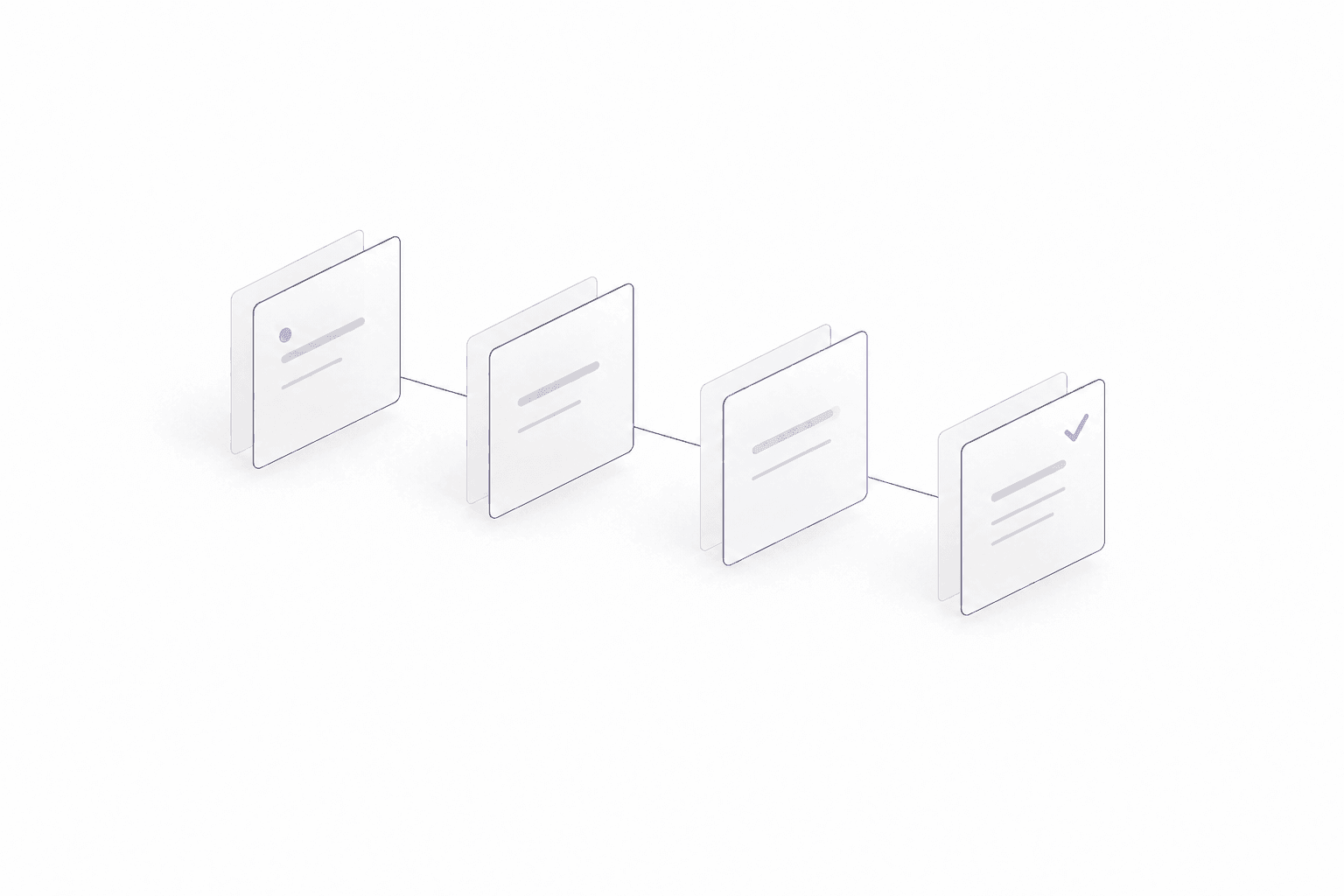
One shared thread, from start to finishThe roadmap gives direction.
The roadmap gives direction.
The details make it happen.
The practical details
More clarity. Before you begin.
Do we have to use sprints?+
No. Teams can work from a kanban board and issue list, then use sprints when a time-boxed planning rhythm is useful. Start with the views and statuses your team needs instead of recreating every part of an old process.
Can we import from Jira or Trello?+
Not yet. The web import screen lists Jira, Trello, Asana, CSV, and JSON as planned sources, but project imports are not currently available.
Is Planner only for software teams using agile?+
Planner starts with familiar agile types: Epic, Story, Task, Bug, and SubTask. The issue model also supports custom type names, default estimates, and a workflow linked to each type. Teams can use sprints or continuous kanban flow. The current web issue-type configuration editor is a session preview and does not yet save its edits.
Can different issue types follow different workflows?+
Yes. Each issue type links to a workflow, and status changes are validated against the allowed transitions in that workflow. New projects start with a separate simple workflow for each default type. The current web workflow editor is a session preview; its changes are not yet persisted to the project.
What is the difference between the board, backlog, and roadmap?+
The board shows how work is moving and can group it by status, owner, type, or priority. The backlog helps you refine future work and plan sprints. The roadmap shows epics and child issues against dates. All three lead back to the same issue and its context.
What happens to unfinished work when a sprint closes?+
Sprint completion is blocked while it contains open issues. Complete those issues or move them to the backlog or another sprint before closing. Open work is not automatically carried into a new sprint.
Can I save and share a filtered view?+
Planner remembers relevant filters and view preferences between visits, scoped to the project, workspace, or member. The current web experience does not provide named, shareable saved views.
Where does AI help with planning?+
With a configured AI provider, you can review suggested subtasks for an issue and use AI Assist inside comments to draft replies, summarize discussions, or find next steps. You choose what to keep before turning suggestions into work or posting a comment.
Are worklogs and release versions available in the web Planner?+
Worklogs and version data have API support. A web worklog entry interface and full web release management are not currently available. The page marks these separately from the interactive planning features.

leera PlannerA clear plan.
A clear plan.
Room for what comes next.
Bring the ideas, the issues, and the whole team into one connected workspace.
@Alex Morgan The preferences endpoint is ready. Progress is now saved per member, so we can pick this up in the checklist.
Perfect. I’ve linked the task above and added the accessibility checks before we move this to review.