
Sprint health monitor
ActiveReview the active sprint. Find blocked issues and work without an owner. Summarize what needs attention, with a suggested next step.
Daily at 9:00 AM
Last run 7h ago
24 runs
Put sprint checks, backlog reviews, and project updates on a schedule.
Less chasing the details. More moving the project forward.
Routine work, handled. More room for what matters.
Review the active sprint. Find blocked issues and work without an owner. Summarize what needs attention, with a suggested next step.
Review the project backlog for missing acceptance criteria and unassigned work. List the issues that need a clearer brief before planning.
Summarize this week’s completed work, open blockers, and next priorities in Leera App. Keep the update focused on the release.
Checking what’s blocked. Finding what’s missing. Pulling together another update. These small jobs keep a project moving—and keep coming back. Give them an agent, so your team can give the next big thing its attention.
Bring blockers, missing owners, and stale work into a focused summary you can review.
Define the assignment once. Let the next run bring fresh project context to the same useful question.
Ask for issue references, open decisions, and suggested next steps. Keep the result with the run.
The sprint check. The backlog review. The update you write every Friday. Start with one specific job, and give it a routine of its own.
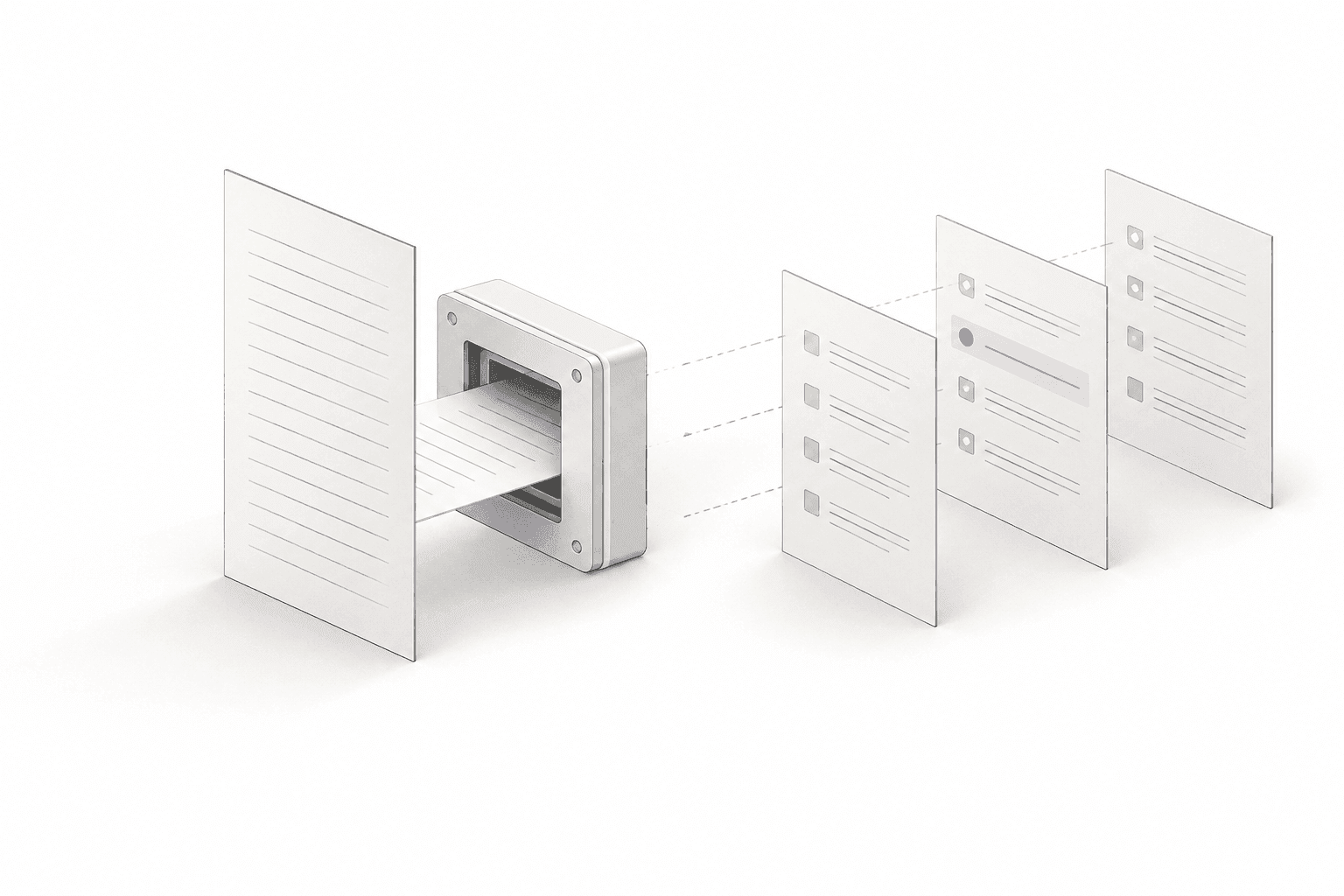 ONE CLEAR OBJECTIVE. A REPEATABLE NEXT STEP.
Review the active sprint in the Leera App project.
Find blocked issues and work without an owner.
Summarize what needs attention, with issue references and a suggested next step.
Keep your attention on the decisions. Give the recurring checks a place in the background.
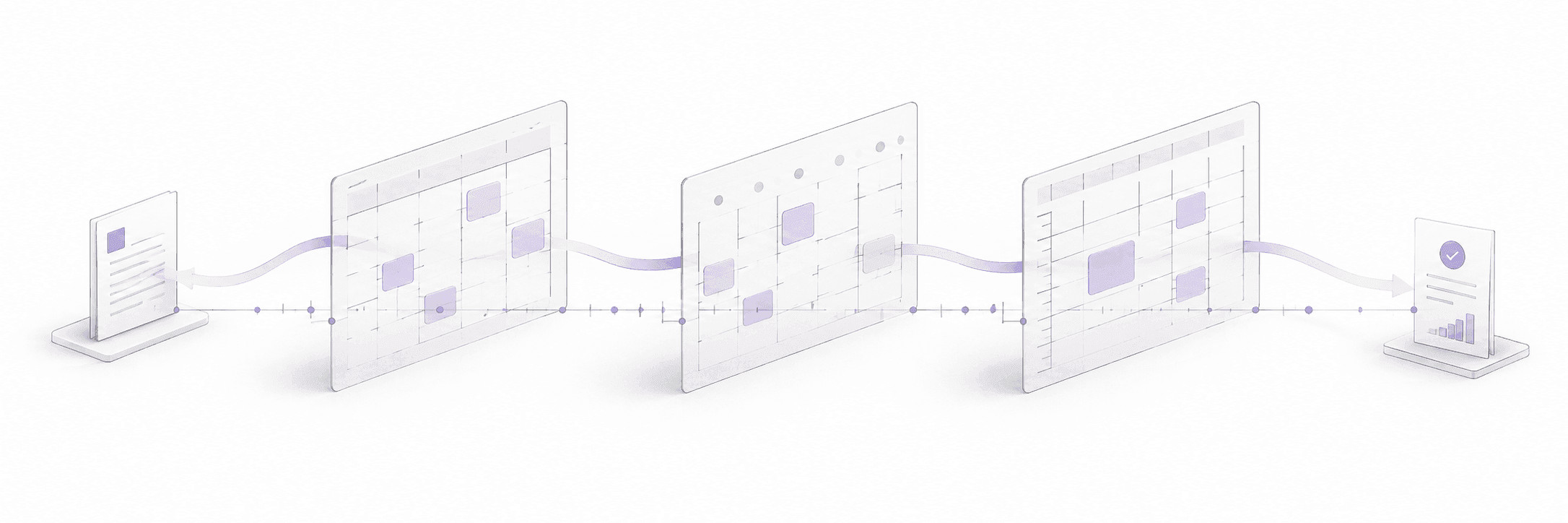
A focused objective gives each run a purpose.
Each execution works with the project as it stands.
Review the findings when it’s time to decide.
Start with an agent template or your own brief. Make the objective specific to your project, your team, and the decision you want to make.
Review blocked work, missing ownership, and changes in sprint scope before your next team check-in.
A sprint summary with the issues that need attention.
Review the active sprint. List blocked and unassigned issues with their issue keys, owners, and suggested next steps. Call out changes in scope. If nothing needs attention, say so briefly.
Find the gaps in candidate issues while there’s still time to sharpen the brief and discuss priorities.
A planning checklist of missing estimates and acceptance criteria.
Review the highest-priority backlog issues for the next sprint. Identify missing estimates, acceptance criteria, and dependencies. Group the findings by issue and summarize what needs a decision before planning.
Bring completed work, open risks, and next priorities together in a readable project update.
A draft summary ready for your review.
Summarize this week’s project activity for stakeholders. Group the update into progress, risks, and next priorities. Reference the relevant issues and keep the summary focused on the release.
Bring overlooked issues and work without recent updates back into the conversation.
A focused list of stale work to revisit.
Review open backlog issues with no updates in the last 14 days. Include the owner, last activity, and current status. Suggest which issues need clarification or a fresh priority discussion.
Turn completed issues into a clear draft of what changed, organized for the people who need to know.
Release notes grouped into features, fixes, and improvements.
Draft release notes from the completed issues in this release. Group them into features, fixes, and improvements. Explain each change in plain language and include its issue reference.
Review the relationships behind blocked work and identify the decisions or tasks that need to move first.
A dependency summary with a suggested order of follow-up.
Review blocked issues and their linked dependencies. Identify the blocking issue, its owner, and the work it affects. Summarize which dependencies need follow-up and why.
A morning sprint check. A weekly review. A monthly summary. Choose a cadence, set the time and timezone, and let the schedule carry the reminder.
The team has been building all week. Give an agent the brief for your recurring update: what shipped, what’s at risk, and what comes next.
Return to a draft grounded in the project. Review the details, add your perspective, and bring a clearer story to the next conversation.
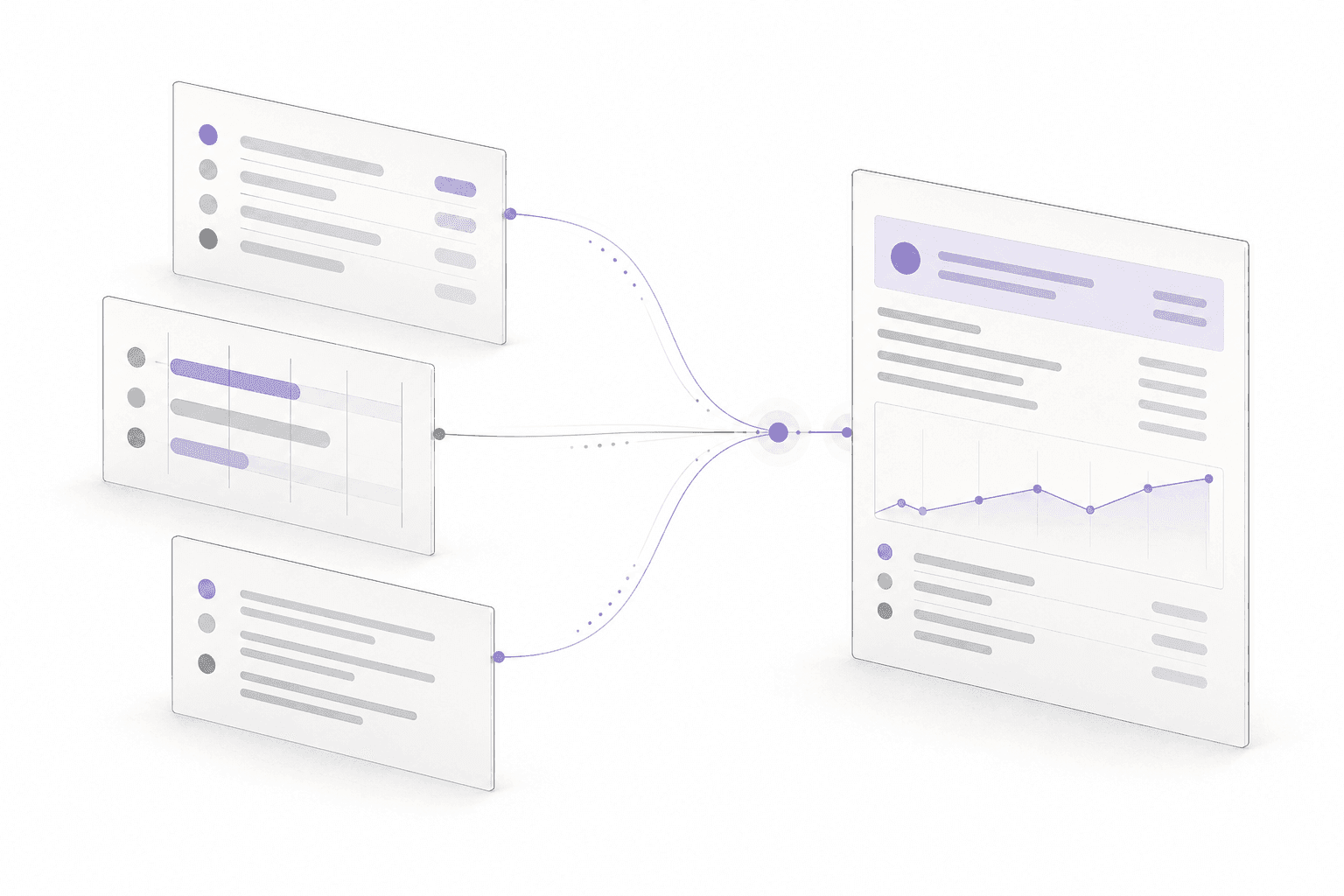
“Summarize this week’s progress, open blockers, and next priorities. Keep it focused on the release.”
Every Friday · Ready for your reviewOpen an execution to see its status, messages, and output. Follow the work, investigate a failure, and use what you learn to refine the next run.
Every run, across all your agents.
Shape the assignment around the way your team works. Check the result, adjust the details, and change the routine when priorities move.
Match the available tools and model to the job you want the agent to do.
Trigger a manual run to check an objective or get a fresh result before the next scheduled run.
Refine the objective, adjust the schedule, or deactivate the agent when the work changes.
Choose a template or write a focused objective. Include the project, the question, and what a useful result should contain.
Choose the available tools and model, set the schedule and timezone, then trigger a manual run against work you know.
Inspect the messages and output. Refine the objective until the routine produces the kind of detail your team can use.
Explore a question with AI before turning it into a recurring assignment.
Explore leera AICollect individual team updates in one coordinated report.
Explore coordinationChoose the AI provider and model behind your workspace.
Bring your own modelThe practical details
Agents carry out a focused project task on a schedule. Give an agent an objective, configure the tools and model available to it, and review each run in its execution history. Start with a template for a sprint check, backlog review, or project report, then adapt the assignment to your team.
Choose an hourly, daily, weekly, or monthly schedule. Configure the time and timezone for the task. You can also deactivate an agent when the routine is no longer needed.
A conversation starts when you ask a question. An agent gives a recurring assignment an objective and a schedule, then carries it out when it is due. Use chat to explore a question and agents for the focused checks or summaries you want to repeat.
You can start from a template or write an objective in plain language using the agent configuration screen. Choose the tools and model available to the task, set the schedule, and try a manual run to check the result.
Choose a task you already repeat and can easily evaluate: a morning sprint check, a backlog readiness review, or a weekly project summary. Specify the project, what to look for, and how the output should be organized. Run it once, inspect the findings, and refine the objective as needed.
Yes. Agents support manual triggering as well as scheduled execution. Use a manual run to check a new objective, investigate an issue, or generate a fresh result when the team needs it.
Open the agent’s execution history and inspect its status and messages. Check the task configuration, permissions, and provider setup before retrying. Narrow the objective if the agent is attempting too much in a single run.
No. The agent examples, schedule controls, and execution history on this page use illustrative data. Trying them does not create an agent or change your workspace. Open Leera to configure and run your own agent.
Start with the check you keep repeating.
Make room for the work you want to be doing.