Planner
From big ideas to shipped work.
Roadmaps, backlogs, sprints, boards, and issues. Keep the plan and the everyday work connected.
- Epics, stories & subtasks
- Project workflows & ownership
- Comments, activity & context
Projects. Testing. Documents. AI. Together on your infrastructure.
Start with the free core. Make it your own. Give your team room to grow.
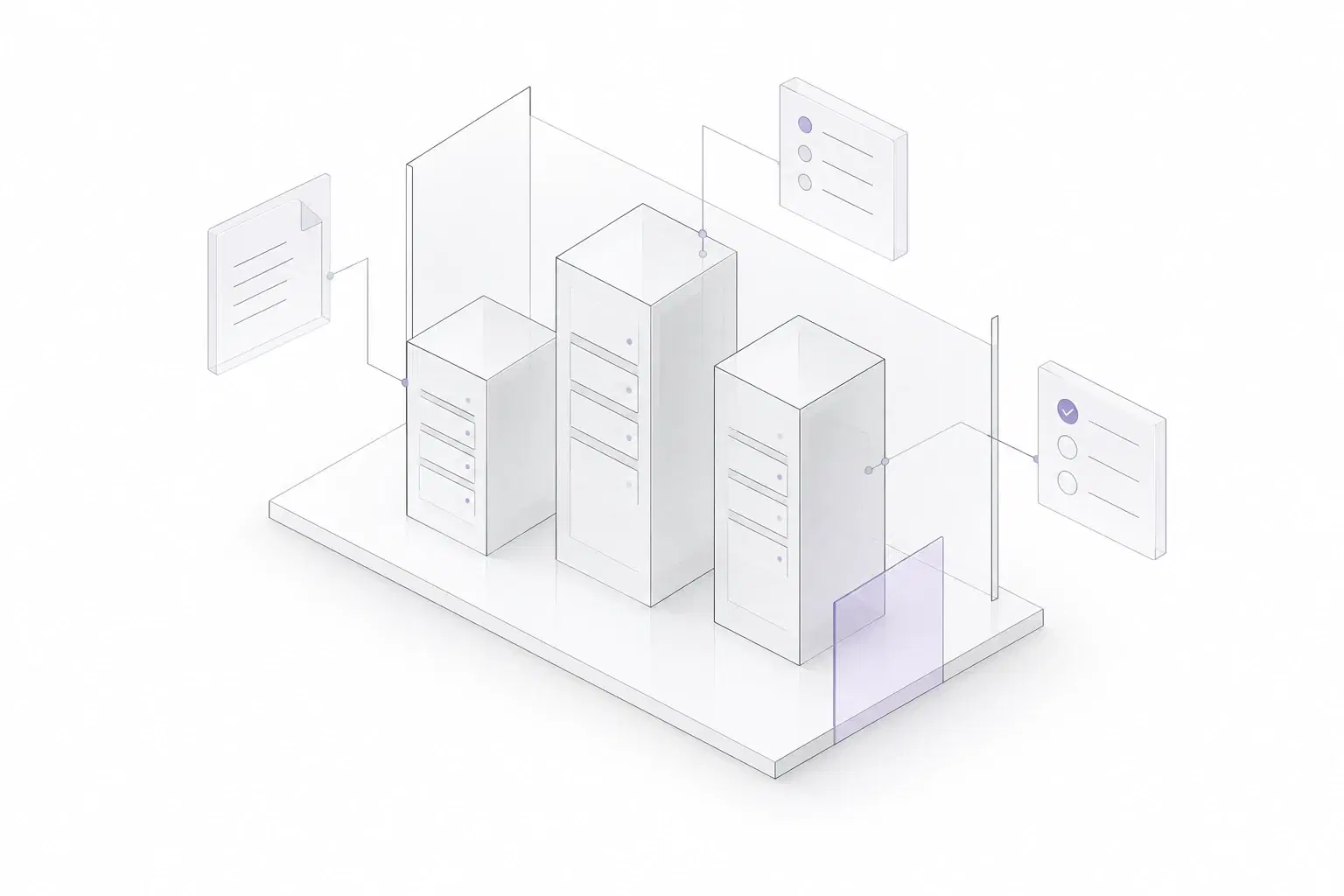
Self-hosting should give your team a connected place to work. The plan, the test, the document, and the next decision all belong here.
Roadmaps, backlogs, sprints, boards, and issues. Keep the plan and the everyday work connected.
Build the test library, plan the coverage, and run the checks. Keep evidence and defects with the work.
Bring project briefs, decisions, and team knowledge into the same workspace as the work they explain.
Ask about the project, shape the next steps, and use available AI workflows with providers you configure.
Use supported integrations, APIs, and MCP tools around the same project context.
Explore MCPA server in your office. A VM in your cloud. A cluster your platform team already runs. Deploy Leera where it fits your organization.
Start on a Linux server with Docker Compose. The installer brings the application, database, file storage, and reverse proxy together.
Find your deployment pathA straightforward starting point for a team running its own instance.
Put the workspace at an address your team recognizes. Configure DNS, HTTPS, and access around your environment.
Use the bundled PostgreSQL and object storage, or connect your existing database and S3-compatible storage.
Choose the region, control network access, and decide which external services your deployment can reach.
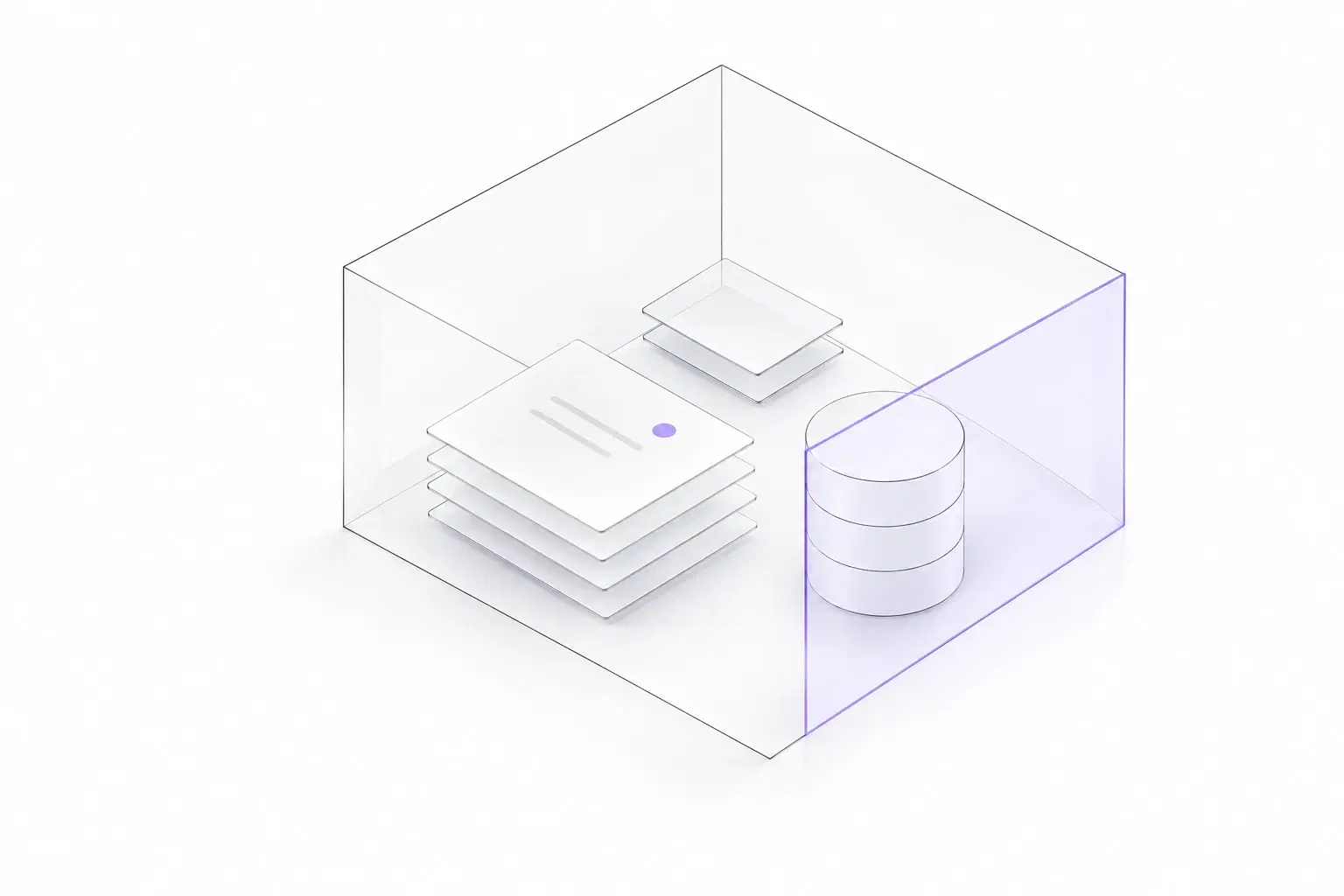 YOUR CONTEXT. WITHIN A BOUNDARY YOU DEFINE.
Control means more than choosing a server. It means knowing where the work lives, how people get in, and which services sit around it.
Manage the database, files, backup locations, and retention policy.
Configure the supported login providers and their application credentials.
Use your SMTP service or internal relay for outgoing email.
Review AI, licensing, updates, and integration endpoints as part of your network plan.
Your team should feel at home. A White-label license gives your instance your name, your visual identity, and room for multiple workspaces.
Try a name. Pick a color.
See a little of your identity come through.
Set the product name and a primary brand color. The application derives the supporting palette.
Bring your identity to the application, sign-in experience, browser tab, and emails.
Create additional workspaces on the licensed instance for the teams you bring together.
Use your custom identity throughout the application. Leera vendor links are already hidden by default.
Use the project context inside Leera with providers and endpoints you approve. Connect a supported cloud provider or an OpenAI-compatible endpoint you operate.
Ollama, vLLM, or another compatible endpoint.
Run within your networkOpenAI-compatible, Anthropic, Gemini, or Vertex.
Use your provider accountRequests follow the endpoint you choose. Model compatibility, connectivity, and provider or compute costs still apply.
Choose the deployment path that fits your team. Bring up the stack, make the instance yours, and give the first project a home.
# A server. A command. A place to begin.
curl -fsSL https://raw.githubusercontent.com/leera-app/leera-selfhost/main/install.sh | bashReview the installation script and guide before running it. Docker installation is offered if it is missing.
2 vCPU4 GB RAM25 GB storage
Size for your workload, files, and chosen services.Your domain · Network access · Persistent storage
For public HTTPS, point DNS to the server and allow ports 80 / 443.For a small team, start with 2 vCPU, 4 GB RAM and 25 GB of storage, then size for your workload. Choose your domain, point its DNS at the server, and prepare the network access your deployment needs. The Docker Compose installer uses ports 80 and 443 for web access and automatic HTTPS.
Use the supported Docker Compose installer on your server or the Helm chart in your Kubernetes cluster. The bundled stack includes the application, PostgreSQL and object storage. The installer can help install Docker when needed; the deployment guide also covers using your existing services.
Confirm the instance URL and create your administrator account. Configure and test SMTP before inviting your team, then connect the AI providers and models you want to use. Register for a free license to enable AI creation of issues, test cases and projects within its allowances. Add an eligible paid license when you need custom branding or additional workspaces.
Back up the database, matching secret key, deployment configuration and uploaded files. Keep a copy off the server and test a restore. Assign ownership for monitoring, credentials and updates, and review releases before applying them.
Review deployment choices, provider connections, backups, and recovery. Confirm the supported installer and release requirements with the team.
Give your instance an operating routine. Review releases, keep recoverable backups, and make the next update a considered step.
Preserve the recovery point.
Fetch the release images.
Apply schema changes.
Bring up the new release.
Check application health.
Keep the database, matching encryption key, configuration, and uploaded files. Set retention and keep recovery copies outside the host.
Check release notes and license update eligibility. Plan an appropriate maintenance window and verify your real workflows afterward.
Assign monitoring, credentials, restore testing, and incident response. Agree on support responsibilities before the rollout.
Recovery is part of the plan. Image rollback does not undo database migrations. Keep and test the matching backup so recovery covers the whole instance.
Run a complete core workspace for free. Add a license for your own branding and workspace structure. Plan the infrastructure around your team.
Bring your server. Bring your team. Make room for the work that matters.
software license
your operating costs apply
A full core workspace
AI workflows use the providers you configure. Creating issues, test cases, or projects through AI requires free registration and follows the instance license allowances. Provider usage is your responsibility.
Your identity. Your workspace structure. A license for the way you work.
per installation
one-time license
Built on the self-hosted core
License duration and update coverage are separate. Purchase in Instance Settings → License after confirming the current offer.
Work through the requirements of your network, team and deployment together.
deployment and license scope
by arrangement
Shape your deployment
Email, AI and integrations still need a reachable service or a compatible setup inside your network.
Software is one part of the equation. These costs stay with your setup.
Compute, storage, network and backups.
The email delivery service you configure.
Your API usage or local model infrastructure.
Updates, monitoring, recovery and support.
A seat subscription grows with your team. The free self-hosted core has a $0 software license. Compare it with your own subscription cost and operating budget.
USD. Starting inputs are examples, not provider prices. Adjust them to your actual costs. Hosting capacity may need to grow with your team.
Lower with Leera, using these inputs.
Your reference covers the subscription entered above. Leera includes only the costs you enter. Taxes, migration and any unentered services are excluded. Update renewals are not estimated.
Private networks. On-premises infrastructure. An offline license. Bring your deployment requirements, and we’ll work through the right setup and scope with you.
From the first install to the next year of work.
Talk to our teamThe free core gives you one workspace with a neutral Workspace identity, including projects, planning, documents, testing and the available AI workflows. You can use manual core workflows without a paid license or registration. AI needs a configured provider; creating issues, test cases, or projects through AI also requires a free registration and follows the instance license allowances. Your server, storage, email and provider usage are your operating costs. An eligible paid license adds custom branding and additional workspaces on the same instance.
The free self-hosted core has no per-seat software subscription. The standard White-label offer is licensed per installation; adding a teammate does not add a cloud seat subscription. Your infrastructure still needs enough capacity for the people and work it serves. Check the current pricing page and the terms shown in Instance Settings → License for the offer that applies to your installation.
Yes. Use the Docker Compose installer on a Linux server or the Helm chart in an existing Kubernetes cluster. Both deploy the application with its supporting services. The Compose installer can help install Docker and configures automatic HTTPS when your domain and network are ready. For production, plan persistent storage, service access, backups and capacity. The current API runs as one replica for consistent realtime updates; the web tier can scale separately.
Yes. Instance Settings → AI lets you configure providers, model names and endpoints, then test the connection. Supported provider types include OpenAI-compatible services, Anthropic, Google Gemini and Vertex AI. A compatible local endpoint, such as Ollama or vLLM, can run on your network. The selected models must support the workflows you want to use and be reachable from Leera. You cover provider usage or the infrastructure running your local models. Core workspace features remain available without AI configured.
The self-hosted core can run without registration, and paid offline licenses can be arranged for environments without outbound licensing connections. A connected deployment may contact licensing and update services. AI, email, login providers and integrations also need reachable endpoints, which can be internal where a compatible service is available. Plan how installation images and updates will reach an isolated environment, and discuss the network requirements with us before rollout.
An eligible license unlocks the product name, brand color, logo and favicon. It also allows additional workspaces on the licensed instance. The default Workspace identity already keeps Leera’s vendor links out of the application. Configure your identity in Instance Settings → Branding and review your entitlements in Instance Settings → License. Your public domain, email provider and storage configuration are part of the deployment setup; they do not depend on purchasing branding.
Yes. The default stack bundles PostgreSQL and MinIO, and the deployment guide covers using external PostgreSQL and S3-compatible object storage. Configure the database connection for your deployment and set the storage details in Instance Settings. File links use the public storage endpoint, so it must be reachable from your team’s browsers. Plan data transfer and backups before changing services on an instance that already contains work.
Your operating team owns the recovery plan, off-server backup copies, restore testing and update schedule. The Compose backup command captures the database, matching secret key and deployment configuration, and attempts to copy bundled object storage; verify that uploaded files are included, and protect external storage separately. With the updater enabled, Instance Settings → Updates can back up, download, migrate, restart and check the application. Server commands and Helm upgrades are also documented. Returning to older images does not undo database migrations, so keep a tested backup.
License duration and update coverage are separate. A perpetual entitlement can include a fixed update window. Releases published within that window remain eligible, and an installed version keeps running after the update window ends. Newer releases may require renewed update coverage. Check the current offer on the pricing page and the exact dates in Instance Settings → License; hosting and AI usage are separate from the license.
Your existing data, sign-in and workspaces remain accessible. The instance returns to the default Workspace identity, and creating additional workspaces requires an eligible license. License checks do not lock your team out of workspaces that already exist. Update eligibility follows the update window on your license, which is separate from access to your existing work.
A connected workspace for your team. A home you choose.
Start with the free core. Grow into your own identity.