
Build the next thing.
Keep everyone with you.
When a small team is doing a little of everything, shared context matters. Bring the next priorities, product decisions, and release checks into Leera. Start with the work in front of you and add structure as real needs emerge.
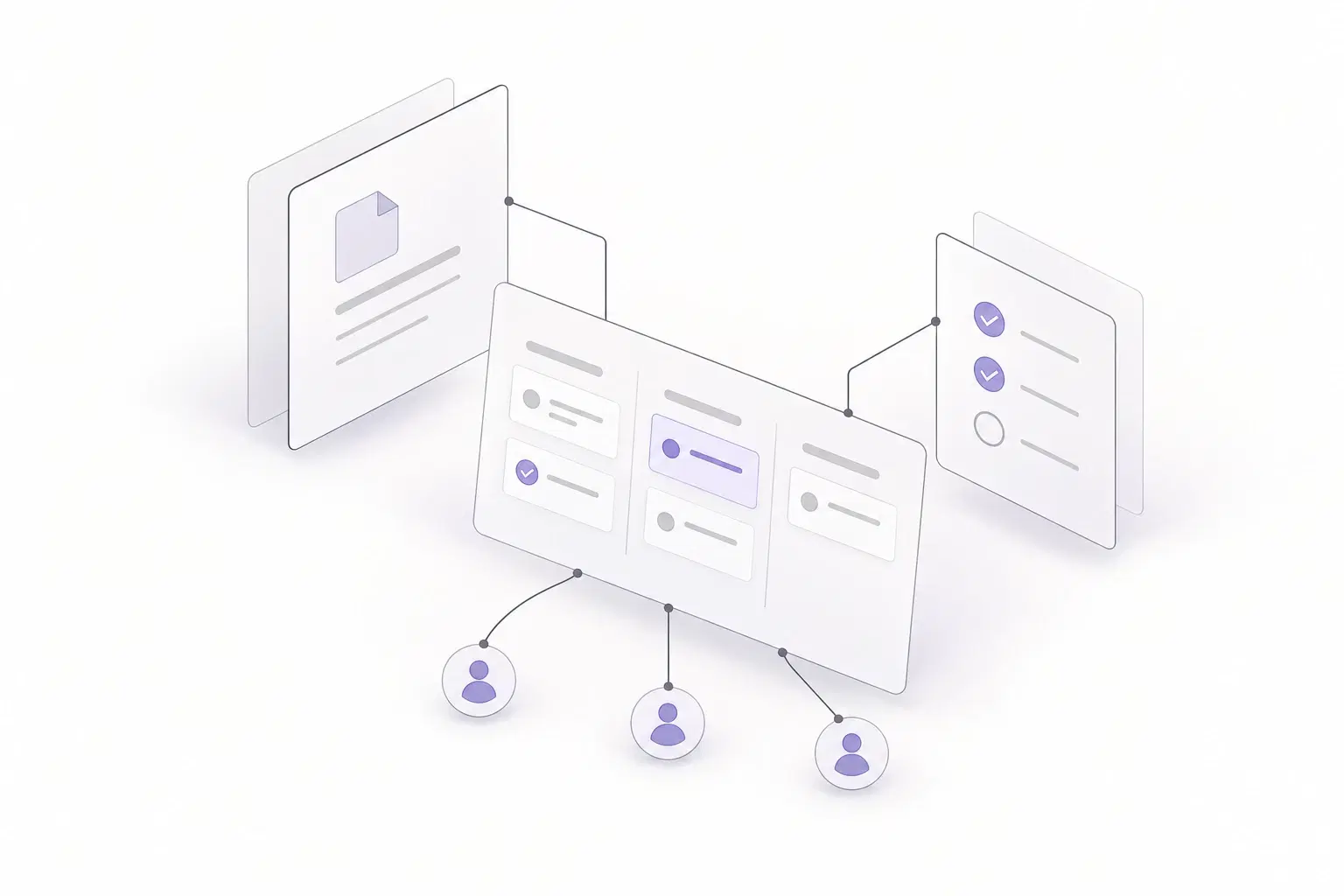
One week. A clear next milestone.
A clear next step
Give the team one view of what matters this week, who owns it, and what is getting in the way.
Knowledge that stays
Keep decisions and product context somewhere the next teammate can find, beyond the latest conversation.
A habit of shipping well
Build a practical release check early, then grow the coverage and coordination as the product gets busier.
Big ambition.
A workable next week.
Create a project for the product you are building. A shared board can be enough to start; use the backlog and sprints when you need a planning rhythm.
Explore PlannerChoose the work that matters now
Capture features, customer problems, and fixes as issues. Set priorities and owners so the team can distinguish today’s commitment from tomorrow’s possibility.
Break the first version into pieces
Break larger features into epics and child issues. Keep each piece focused on a result someone can build and verify.
Keep planning proportional
Work continuously from the board or choose a sprint goal and scope. Look at estimates and current ownership together before adding another thing to the week.
Capture the decision.
Save the next explanation.
Early teams learn quickly and change direction often. Give important thinking a home so new hires and returning teammates can understand how the product got here.
Explore DocumentsA short brief is a good beginning
Write who the product helps, the next release goal, and open questions. Add detail when it helps someone make a decision or do the work.
Onboarding that grows with you
Organize setup notes, product decisions, and guides in collections. Favorite useful pages and save versions when a decision marks a new direction.
Feedback with somewhere to go
Connect supported email or widget requests to the project. Give triage an owner and turn accepted feedback into prioritized work the team can discuss and follow.
Keep moving quickly.
Remember what matters.
Give the recurring essentials a little structure. A short release check, an async progress update, and a useful follow-up can keep a busy team aligned while people move between product, engineering, and support.
Explore AI AgentsCheck the paths customers rely on
Start a test library with sign-in, the core product flow, and any critical payment or data actions. Reuse that coverage for a lightweight regression run before release.
Make room for everyone’s update
Ask the team what moved, what is blocked, and where help is needed through Coordination. Read the combined report and leave the resulting actions on the issues.
Give one routine a schedule
Give an AI Agent a recurring objective, such as reviewing open work. Inspect its execution history and refine the assignment as your team’s needs become clearer.
Give the first draft
a little momentum.
Describe a new project to get a suggested issue hierarchy, make a rough product note easier to read, or draft test cases for your first release. Review the result and keep what helps.
Explore AI for your workAvailable with a configured AI provider.
Help plan the first version of our customer onboarding flow.
A first plan to shape together
Start with account creation, workspace setup, and the first useful action. Add a short getting-started document and test the complete path before inviting your first customers.
- Review the breakdown
- Choose the first scope
- Create selected issues
The details your
team depends on.
Around every milestone, there is everyday work. Give it a place, too.
One active delivery plan
Keep the board, backlog, and issue details around the product you are building today.
A home for early decisions
Write down the product reasoning and setup knowledge that new teammates will need.
A first regression library
Turn the product’s critical paths into repeatable cases with recorded results.
Connected incoming feedback
Use supported email and widget connections to give requests a project and a triage owner.
Your coding tools, connected
Give compatible AI clients access to supported Leera tools through MCP.
Room to choose your setup
Explore the available modules, startup credit program, and deployment options as your needs grow.
For startups
Good questions. Clear answers.
Do we need a full process before starting?+
No. Start with one project, a few issues, and clear owners. A board and a short brief give the team a shared view. Introduce sprints, more test coverage, and recurring check-ins when the work calls for them.
Do we need to adopt every module at once?+
Start with the workflows you need. Review the current pricing page for module availability and plan options. Introduce Documents, QA, and AI assistance as they solve a specific delivery need.
Is there a startup credit program?+
Leera has a startup credits page with application and eligibility details. Review the current program there when planning your workspace. Credit grants and allocations depend on the program terms and approval.
Can we bring our AI development tools with us?+
Compatible clients can connect through Leera MCP to use supported project tools with the scopes you grant. Leera also supports provider configuration for its own AI features. Available models and setup options depend on your plan and deployment.

Give your next chapter
a place to take shape.
Start with the product, the people, and the next useful step. Build a shared way of working that grows with you.